We Don't Talk With Our Hands Anymore
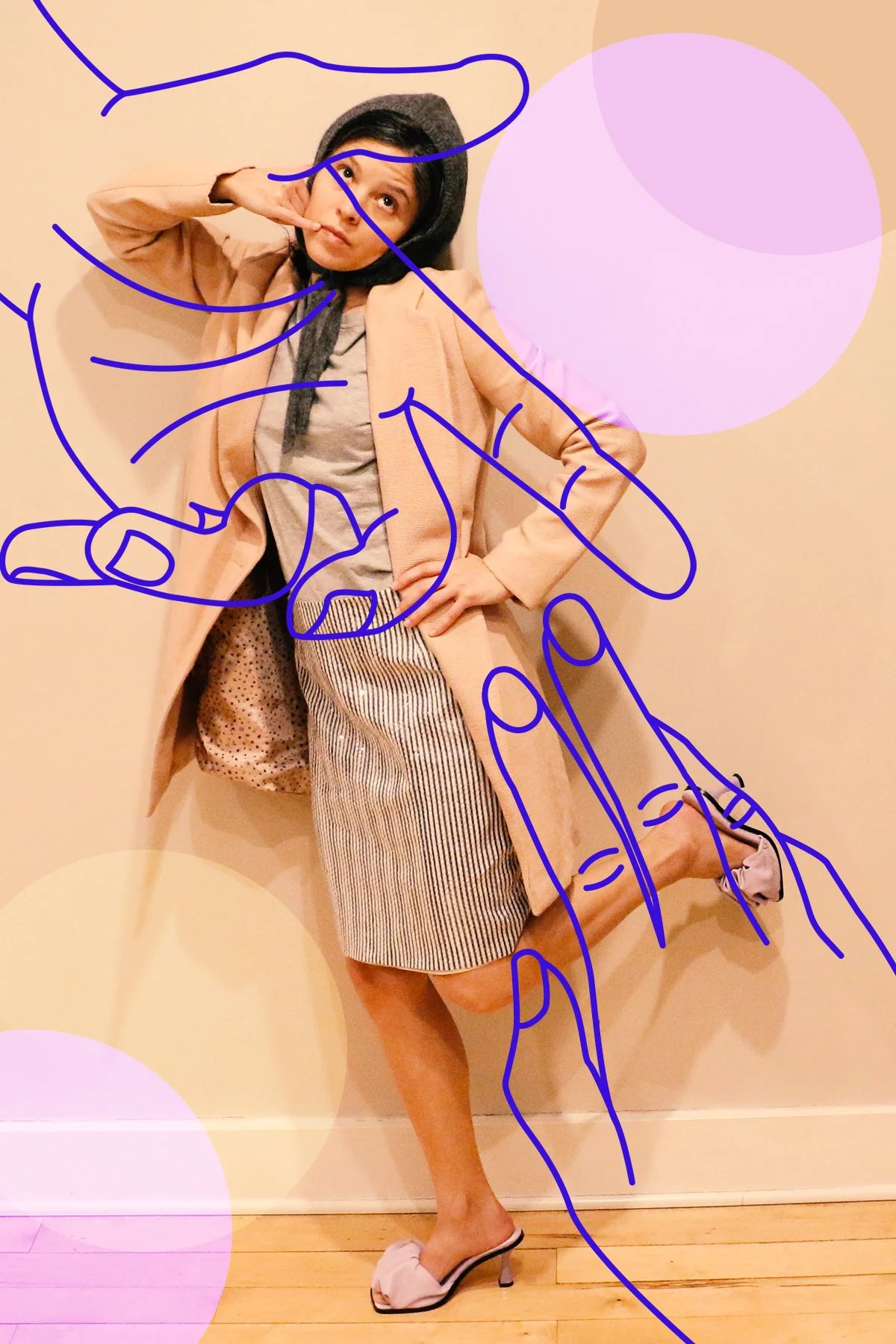

I was on a stroll the other day when it happened to me. While at an intersection, a stranger walked up to where I stood and began speaking in my direction. His hands and phone were hidden in his pockets, and his sneakier AirPods were shielded by the floppy hair framing his face. Using my hands as he yapped, I gestured, “Are you talking to me?” I received no response, and the target of his words grew more indeterminate. Soon the flailing of my hands caught his eye and he responded with a, “No, Simpleton!” haughty toss of his head before continuing his faux conversing with me. Mea culpa. It used to be that when you spoke to someone while looking at them, it meant something.
Sticking my hands in my pockets, I went in search of my own phone and turned away, trying to save face by looking busy and important. Usually this means opening the calculator app and doing random calculations until the aggressor has evacuated our shared space. Unfortunately for me we were both at a crosswalk with a traffic light that refused to change. Mamdani! Is this what you call progress?!
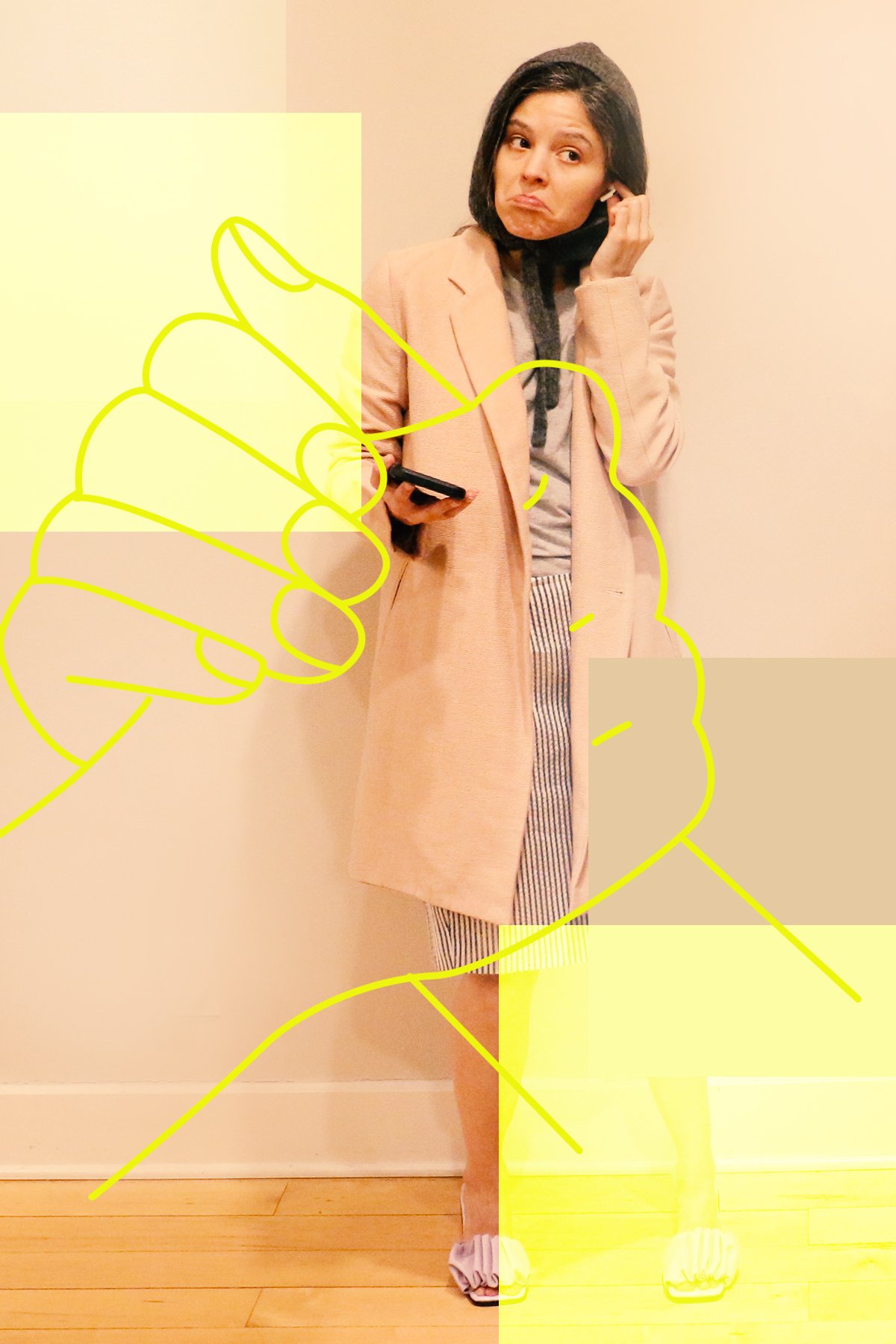
And so I remained focused on the device in my hand, my fingers curled in a position so familiar I wouldn't be surprised if the tendons in them have shortened over the years. Sneaking a glance at the man I was attempting to flee from, I marveled at his confidence in speaking to the open air with no indication of what he was actually doing. Of course, anyone who isn’t me would know exactly what he was doing, because that’s the world we’ve evolved into. Hold a phone up to your ear to have a conversation? What are you, crazy?
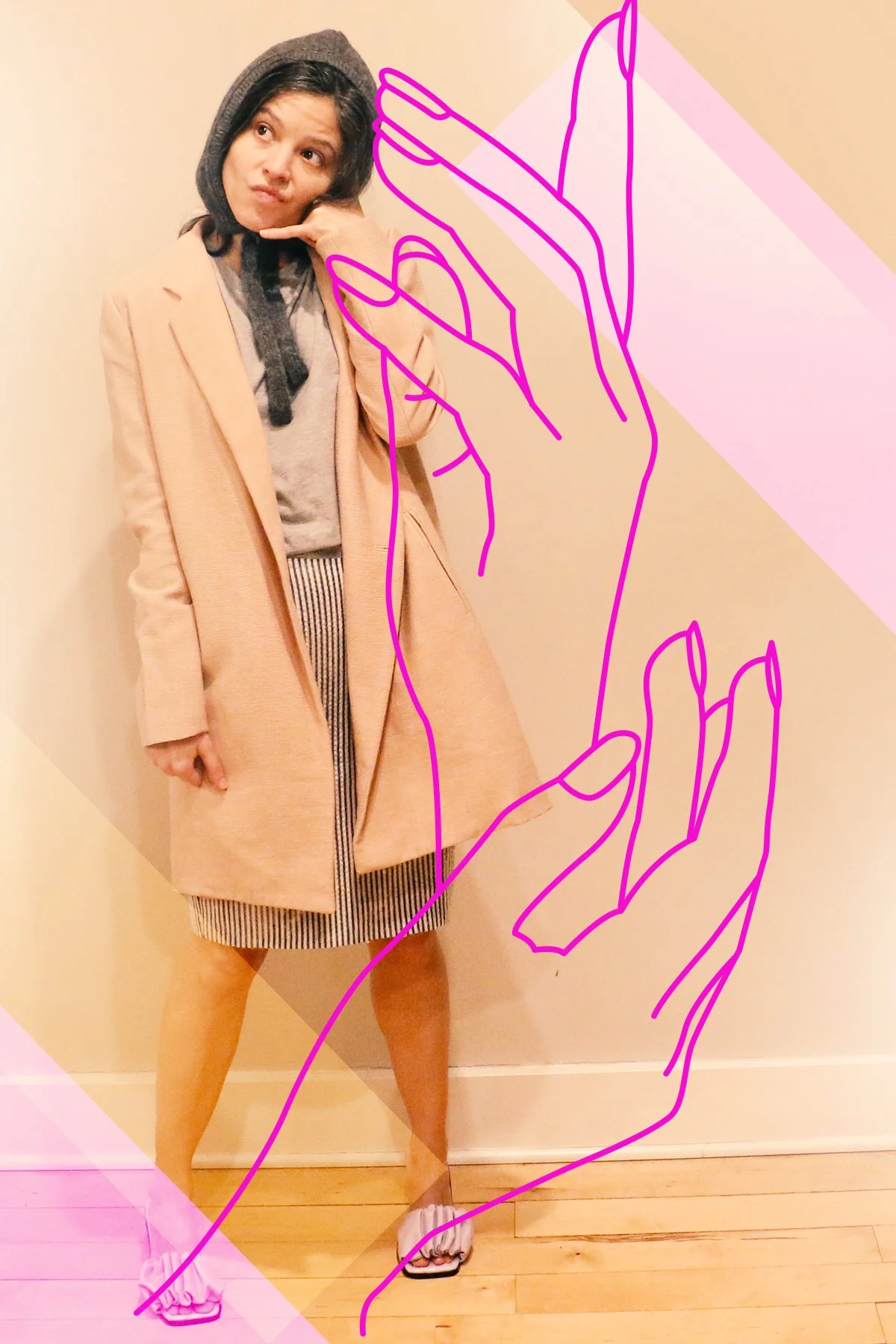
But it made me think of our hands and how when I was growing up, there was a universally recognized way to mimic speaking on the phone, which for the majority of my childhood and teenagehood involved a landline. Your index, middle, and ring finger were bowed down into your palm, with your pinky and thumb stretched out in opposite directions—your thumb was pressed against your ear, and your pinky served as a receptacle for the words about to be spoken by your mouth. Talking on the phone was an activity that required being at a specific place, at a specific time, to do a specific thing. Sometimes you planned for it, sometimes you didn’t, but very often it broke up the monotony of the day. Over time and with the growing presence of cellphones, the sign for talking on the phone changed from hang-ten to the vise-grip we’re all so wearily familiar with. I marked this transformation most when the people around me started having children, and I watched with horror and fascination as they impersonated their parents by cupping their hands around their ears and speaking into their wrists. It was a brand new world.
Soon that world was taken over by smartphones that people went from holding up to their ears, to holding in front of their faces, and finally, not at all. Talking on the phone transitioned from a clear-cut activity to one that blended in seamlessly with whatever else we were already engaged in. We shifted from participating in focused tasks, to walking around like lemmings, refusing the allure of the world around us and talking loudly to ourselves while doing a million other things that we delegate at will like people who, not even a decade ago, we might have casually crossed the street to avoid. There's no longer anything to punctuate the wave of sameness. And it's this wave of sameness that makes me think about phenomenons like Influencer Voice, or Instagram Face, cultural behaviors of copying and pasting as a way to fit in, the heights of which are dizzying. It’s a Great Flattening. Our emotions are all the same. Our perspectives are all the same. Our actions and behaviors are all the same. Our interests and our tastes are all the same.
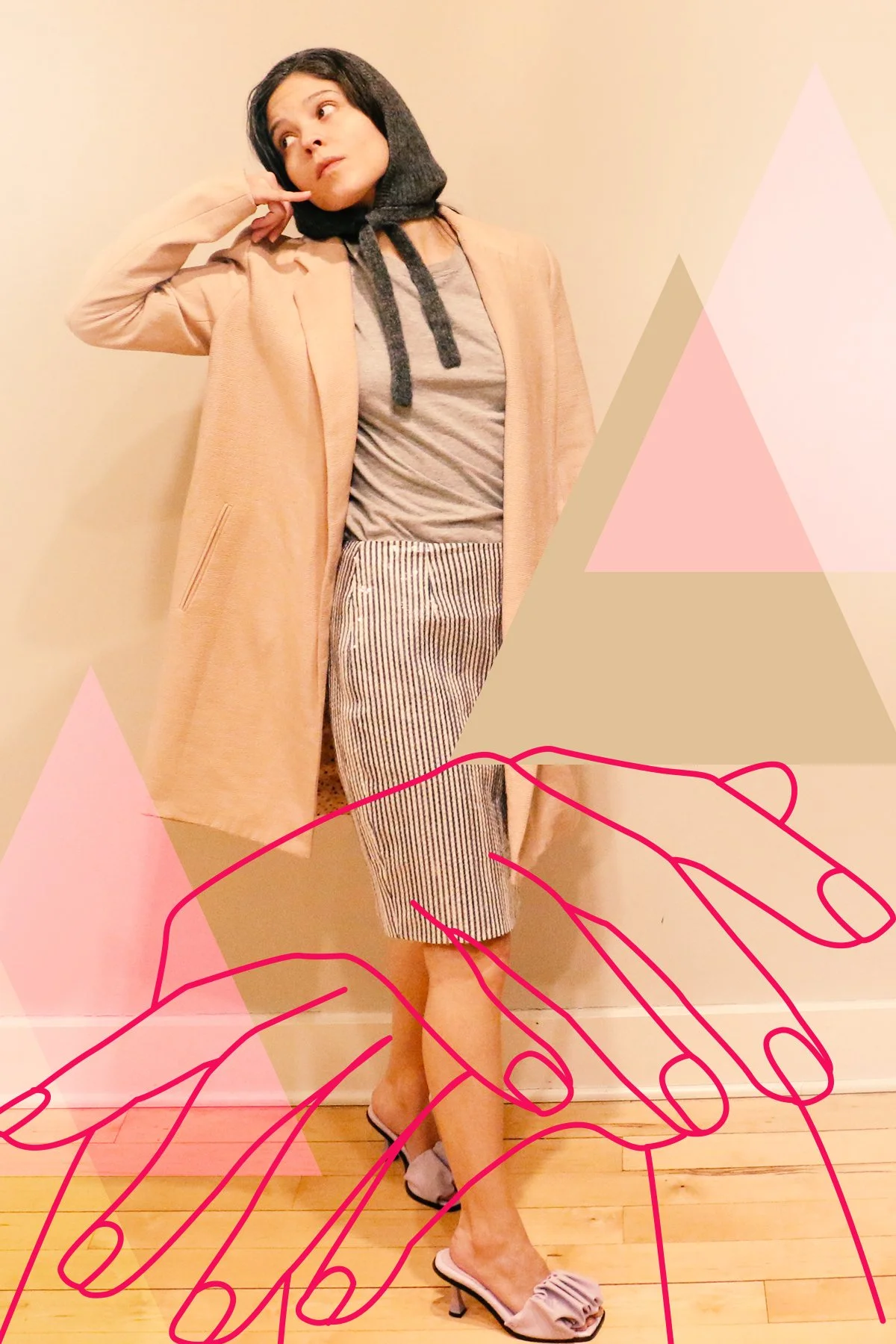
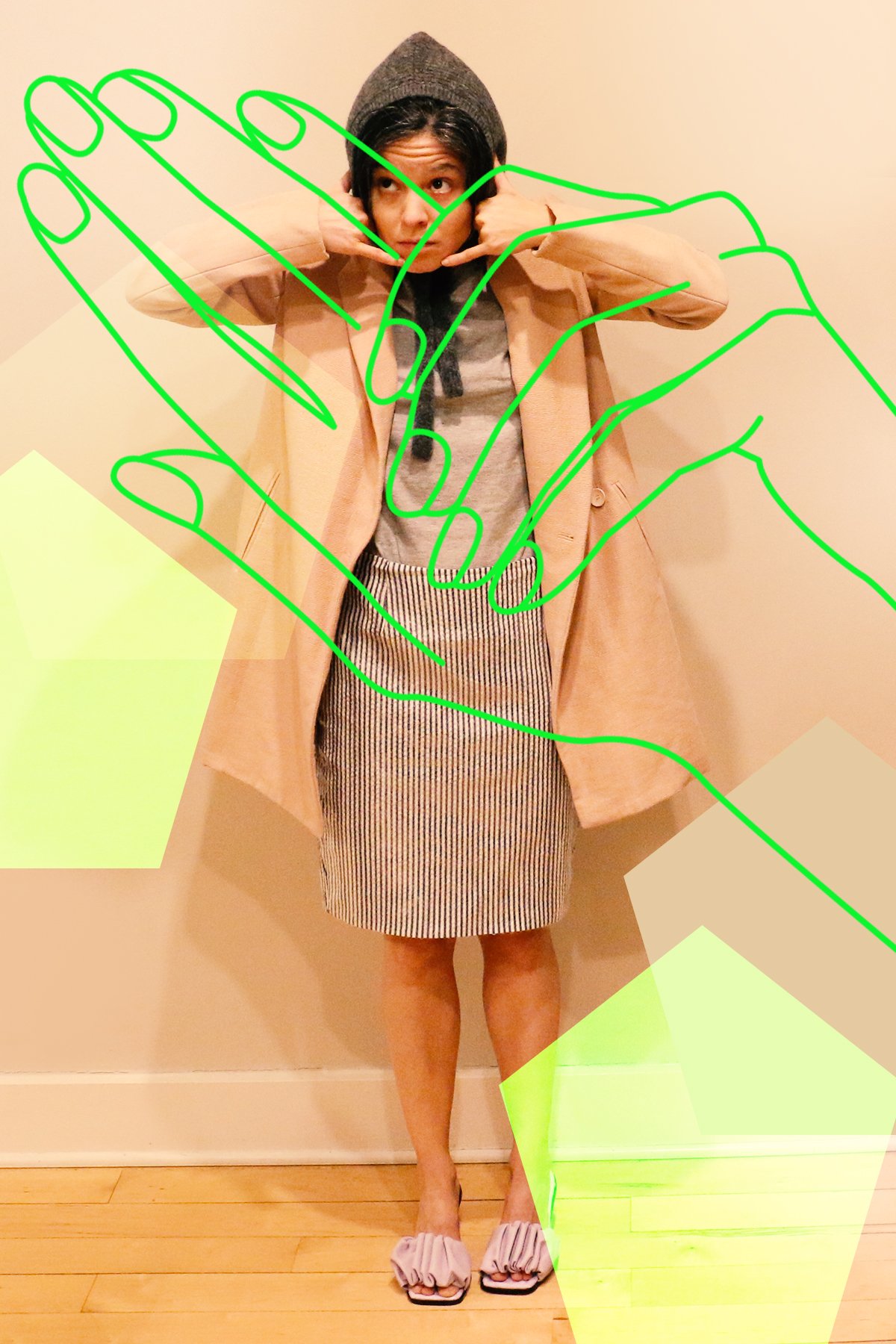
In the art world, the ability to draw hands is considered a symbol of mastery, because hands are extraordinarily complex. They combine intricate anatomy, varied proportions, and subtle emotion. They are utterly unique to a person. The task of conversing on a landline not only anchored you to an occupation, but it revealed a particularity about yourself. Some people held the receiver in a certain fashion, while other people might have cradled it in their shoulders as they doodled. Some people paced, while others pulled up a chair and sat themselves in it, ready to gab. And through it all, our hands still had important work to do.
We’ve hidden them away in this new existence of convenience and homogeneity, and with them we’ve hidden away ourselves. Maybe it’s time to bring them back.